MollyMia Aspire to Inspire before we Expire
Showing posts with label cake recipe. Show all posts

Tuesday, 9 February 2021

Mia Bakes: Healthy Cinnamon Roll Loaf Cake

 Craving for some warm, sweet, soft and fluffy cinnamon rolls, but not keen on all the time needed for kneading and dough proofing? 

How about getting one in the form of a fuss-free quickbread / loaf cake? 
And what if I'm telling you that it's a healthy, low calorie, reduced sugar one? 

So let's get over with the ingredients (for 1 standard loaf pan of 10 - 12 slices) to get started!

For the cake
250g plain yogurt 
(not greek, but not too watery)
205g plain flour
45g oat fibre 
(or replace with more flour)
80g baking stevia blend
60g vegetable oil
2 eggs
2 tsp baking powder
1/4 tsp baking soda
1/2 tsp vanilla extract
1/4 tsp almond extract
a pinch of salt

recipe adapted from theclevermeal

For the filling/swirl
120g applesauce
(I used homemade, but you can get store-bought)
65g brown sugar
1 tsp ground cinnamon
1/4 mixed spice (optional)


First up, make sure that your ingredients (especially yogurt and eggs) aren't too cold, if not the batter might form curds while you mix. Well, not that it's the end of the world anyway, you can still mix in the flour and bake it off, though.

In a clean bowl, add in your applesauce, brown sugar, cinnamon and mixed spice and stir to combine. Then, set this aside. 

Next, in a large clean bowl, crack in your eggs and add in the sugar, whisking until the sugar granules has dissolved. Then, add in the oil and whisk until the oil is fully incorporated before adding in the (not too cold) yogurt, vanilla and almond extracts. There may be a little curdling (especially if your yogurt is too cold) but no worries, just add in the rest of the dry ingredients and fold with a spatula until everything is just combined. 

Line your loaf pan with parchment paper or spray it down with some non-stick cooking spray. Then, pour in half of the batter and level it out with your spatula. Get your bowl of applesauce-sugar mixture and spoon half (or slightly more than half) of the mixture over the top of the cake batter. Spread them out as evenly as you can. Then, pour the remaining cake batter over the top and level our the surface again with your spatula. Then, drop dollops of the remaining applesauce-sugar mixture over the surface, before swirling the dollops all over the cake to give it a marbled look. You can do so by simply sticking a butter knife right down the centre of the loaf pan and just swirling it around randomly. 

Then, bake at 160 degrees Celsius (fan setting) for 30 to 40 minutes, or until a skewer inserted in the middle of the cake comes out clean.

 
Allow the cake to cool off slightly in the pan before taking it out of the pan and letting it cool completely on a wire rack. 

As you can see, due to high yogurt content, this cake is ridiculously moist (hovering at the brink of being mushy, actually) and soft. I know the slices looked gummy, as if they've not risen properly, but that's actually because my knife has smoothen out the moist crumbs with my slicing motion.
Yes, it's THAT moist. 

Flavour wise, if you're a fan of cinnamon rolls or apple pies, then this is your jam! 
While the yogurt has made the cake extremely tender and moist, the applesauce-sugar filling has packed the cake with a strong punch of the tart applesauce (since I've made my own, I added some sliced of lemon to make my applesauce tart), with a lovely brown sugar and cinnamon sweetness. 

Best of all, due to the reduced sugar and reduced oil recipe, 1 decent slice of the cake is only barely 170 kcals, and packs a decent amount of protein and fibre! 

Till then,
Mia Foo


Tuesday, 19 January 2021

Mia Bakes: Cinnamon-Coffee Crumb Cake

 A while back, I've tried making a coffee loaf cake following this Korean youtuber HojuGyver's mocha-ppang recipe, but it turned out so dry, dense and lacking in coffee flavour overall, it was quite a huge disappointment. 
But as y'all know, other than chocolate, my one other true love is actually coffee and there's no way I'm gonna give up on getting a recipe that yields me a good coffee cake....
Well, I'm referring to the UK's version (literally a coffee-flavoured cake) and not the American version (any flavoured cake, but usually NOT coffee, that you typically eat while having a cuppa coffee).

And so, I found Claire Saffitz X Dessert Person and her recipe for a coffee coffee cake.
Yay! <3


So let's get over with the ingredients to get started! 
For 1 standard loaf cake, you'll need: 

Cake:
230g all purpose flour
1 1/4 tsp baking powder
1/4 tsp baking soda
1/4 tsp salt
90g plain yogurt
75g unsalted butter
25g vegetable oil
60ml strong coffee **see note below
50g castor sugar
30g brown sugar
2 eggs
1 tsp vanilla extract

Crumb Topping:
80g all purpose flour
50g brown sugar
1 tsp ground cinnamon
55g unsalted butter (soften at room temperature)
1/2 pack 3-in-1 coffee mix sachet

Ribbon:
1 1/2 tbsp brown sugar
1 1/2 tsp ground cinnamon
1/2 pack 3-in-1 coffee mix sachet

recipe adapted from Claire Saffitz x Dessert Person's Coffee Coffee Cake

**for my coffee, I've added 60ml hot water to a sachet of Gold Kili Traditional Kopi-O and another sachet of SUPER 3-in-1 Reduced Sugar.
This is already a GREATLY reduced-sugar recipe, so do not try to reduce anymore sugar from your cake batter. In fact, you can do with a little more sugar in your cake batter for better flavour (Eg, using normal or rich 3-in-1 coffee mix sachet instead of reduced sugar).

First up, the streusel crumb toppings. In a small bowl, add in all the crumb topping ingredients and work it with your fingers until all the butter has been rubbed into the dry ingredients and the mixture resembles wet muddy sand. You would want to keep the chunks on the smaller side (although I know it's tempting to have big chunks of streusels) such that they won't crumble off the cake easily as you cut into them later on. Then, set the bowl aside in the fridge (to firm up) as you move on to the ribbon mixture. 

In another small bowl, add in the brown sugar, ground cinnamon and the remaining 1/2 sachet of the coffee mix and give it a quick toss to combine. Then, set it aside. 

Now, in a large bowl, add in the soften butter and sugars and whisk until the butter turns pale and fluffy. Then, crack in the eggs, 1 by 1 and mixing until fully incorporated with each addition, before adding in the oil, yogurt and vanilla extract. Mix well. Then, add in the cooled coffee and mix well. You may find some "curds" of yogurt floating around in the mixture at this point, but don't worry. It'll all be fine. 
Finally, sift in all your dry ingredients (flour, salt and leavening agents) and fold with a spatula or wooden spoon until just combined. 

Then, fill your prepared loaf pan (greased and lined with parchment paper) with half of the cake batter and level it out as best as possible before sprinkling the sugar-cinnamon-coffee dry mixture all over the surface. Then, top the loaf pan up with the remaining half of the cake batter and level the surface off before topping it up with the chilled streusel crumb toppings. Give the loaf pan a few solid taps on the counter to get rid of any air bubbles in the middle before baking it in the oven preheated to 175 degree Celsius for about 40-45 minutes, until a toothpick inserted in the middle comes out clean. 

When the baking time went beyond the 30 minute mark, I was starting to get paranoid that my crumb toppings are gonna burn, but they obviously didn't. 
But as all ovens behave differently, you may want to keep a close eye on yours and cover the top with a piece of aluminium foil to prevent the streusel crumbs from over-browning/burning. 

And I obviously didn't do a good job levelling out the surface of my cake batter before I sprinkle in my ribbon. HEH! 

So while the cake is on the denser side like a solid pound cake, it's still relatively moist due to addition of the yogurt (or you may use sour cream too) and packed full of coffee and cinnamon flavour, an epic combination. (I personally love adding cinnamon to my coffee, YUMS!). 
Do give this recipe a try if you're also a coffee fan like me!

Till then,
Mia Foo

Friday, 18 December 2020

Mia Bakes: Boiled Christmas Fruit Cake

 Growing up, our family has never ever celebrated Christmas Day and naturally, I do not join my friends' Christmas parties, nor return the favour should they get me any Christmas presents. To me, Christmas Day has always been just-another-PH on the calender, until very recently I realised that the yummy, dense and boozy "fruit cake" that is ridiculously jam-packed with dried fruits (so much so that there's more fruits than cake), which my paternal grandma used to bake for us from time to time, is actually called a Christmas fruitcake! 

Traditionally, Christmas fruitcakes are baked and aged for up to a month before they're iced/wrapped in marzipan to seal the deal. But I actually believe they taste way better without the marzipan (not a fan), and neither had my grandma ever iced her fruitcakes, so.... nay, skip that!

Disclaimer, the recipe I'm sharing is NOT my grandma's recipe though. I didn't manage to learn any of my grandma's amazing recipes (her legendary fruit cake and pies, and even the CNY snack, honeycomb!)  as back then I was much younger and had no interests whatsoever in anything that happens in the kitchen, but I vaguely remembered that she needs to soak her fruits for (at least?) a week in alcohol before proceeding to make the cake. 
Why wait another week when you can make it on the spot, as and when you want to, right? 

So let's get over with the ingredients, so we can get started!
To get a 5" round tin plus a loaf pan sized cakes, you'll need:

180g plain flour
100g almond flour 
100g muscovado brown sugar
250g unsalted butter 
(or you can replace up to half with unsweetened applesauce)
4 eggs 
(mine were about 55g out of the shells)
700 - 750g chopped dried fruits of your choice
(I used a mixture of dried mixed fruits, sultanas, yellow raisins, chopped apricots and red cherries)
100g almond strips/flakes
120ml liqueur of choice, plus more for feeding 
(I typically use either Cognac or Benedictine DOM) 
120ml orange juice
zest of 1 orange
1 tsp ground cinnamon
2 tsp mixed spice
1/4 tsp ground clove
1/4 tsp ground nutmeg 
(you may omit clove or nutmeg, but cinnamon and mixed spice are a MUST!)
1/2 tsp baking powder
1 tsp vanilla extract
1/4 tsp almond extract (optional)

First up, instead of soaking your dried fruits in the liqueur for 1 week, you... BOIL them. :)
In a fairly large pot over small fire, add in your butter and allow the butter to fully melt. Do stir it to prevent the butter from burning. Once the butter has fully melted, add in the applesauce (if you're using) and sugar, and mix until the sugar has dissolved. Then, add in the liqueur, orange juice and chopped dried fruit and let the mixture come to a weak boil over medium to high heat. Once the mixture starts to boil, turn down the heat and allow it to simmer for another 3 to 5 minutes, constantly stirring to prevent burning, before removing the pot from the hob and allowing it to cool.

Once the mixture has cooled (to a point where it won't scramble your eggs), add in your eggs, one at a time and mix well with a wooden spoon/spatula. Make sure that the egg is fully incorporated before you crack in the next one. 
Then, add in the flours, orange zest, spices and extracts and give it a quick mix until just combined.  

Fill up your prepared moulds (lined with parchment paper and spray down slightly with non-stick cooking spray) with the thick and gooey batter and bang them lightly over the countertop to even out the surface, before sending them to bake in an oven preheated to 170 degrees Celsius (160 if on fan mode) for around 40 minutes or until a toothpick inserted comes out clean. 

And once out of the oven, leave them to cool down just slightly for 10 minutes or so before poking holes all over the surface of the cake (leave them in the moulds!) and spooning a tablespoonful of your liqueur directly over the top of the cake. Then, leave the cake to cool completely in the mould, before removing them and wrapping them up tightly in cling wrap, parchment paper and all, and storing them in the fridge for up to a month. 
If you're aging it for a full month, you can choose to feed your cake (with straight up liqueur or you may mix in a little orange juice if you wish) once or twice a week over the 4 weeks. But if you're reducing the aging process to just 2 weeks (like me), you can shorten your feeding intervals to once every 2 to 3 days. It really depends on how moist and boozy you want your cake to be. 


Due to the high alcoholic content, this cake stores really well.... for a LONG LONG time. I'm saying MONTHS and MONTHS in just the chiller (no freezing required!) 
And as for the applesauce+butter vs all butter variation, I would say that the applesauce not only reduce a hefty amount of calories from your cake, but also added a lot of moisture to the cake. In fact, I've fed my previous bake (all butter version) more than this version, but this was significantly softer and more moist. So if you're a fan of a gooey, moist and dense christmas fruitcake, I'll highly recommend that you give applesauce a try! 

Till then,
Mia Foo


Monday, 12 October 2020

Mia Bakes: Mung Bean Cakes (绿豆糕)

挑战过了桂花糕,下一个就是你了 - 绿豆糕!
(After succeeding the Osmanthus Rice Cake, the next one shall be you - Mung Bean Cake!)


Initally, I bought a set of  the mooncake press-mould, thinking that perhaps I can have a try at making my own fusion mooncakes (eg. baked mooncake skin but with pineapple cake filling) this year, but the procrastination... 
Oh well, Mid-Autumn is long over, so let's make Mung Bean Cakes instead!

For 20 (33 - 35g) cakes, you'll need:

250g mung beans (dry, with skin)
35g unsalted butter
50g Gavia Sweetener (1:1 sugar replacement)
20g honey
15g full cream milk powder
a pinch of salt
(and ALOT of elbow grease)

recipe adapted from Amanda Tastes

The procedures to make this cake is really simple, just that you'll require a lot of elbow grease frying the mung bean puree into the cooked dough. But anyhow, let's get started!

To 250g of mung beans, add in some water to soak the beans for at least an hour or two, until the beans has expanded in size. Then, give the beans a good rinse and pour them into a pot. Add enough water just that all the beans are covered, and bring the water to a boil over high heat on the hob. Then, turn off the hob and leave the beans to "steam" in the covered pot for 15 to 20 minutes, before adding some more water (if it has dried up) and repeating the process (of heating until the water boils, turning off the heat, steaming the beans in the covered pot) for another 2 times, until the beans are thoroughly cooked through and soft. This trick will save you a lot of gas (or electricity, if you're using induction hob) and possibly some cooking time as well.
Do remember to not add too much water (just enough to cover the beans) while boiling them, if not your puree will end up extremely watery and you'll need longer frying time later on to reduce the puree into a dough. 

Pour the cooked beans and the remaining water into your food processor or blender, and blend into a fine puree. Do blend the beans for a while longer so as to better break down the skin. Otherwise, you can also remove the skin before cooking to get a smoother, finer cake texture. 
Then, pass the puree over a sieve and directly into a non-stick pan. You may also skip the sifting part if you do not mind a coarser mouth-feel in your cake. Also, if you've already removed the skin before cooking, sifting is also not required. 

To the puree, add in the butter, sugar, honey, milk powder and a pinch of salt. Then, start stirring the mixture NON-STOP over medium heat until most of the moisture in the puree has evaporated and the mixture will start to come together into a dough. 
Now, how long more to cook the mixture once they start to come together depends on how dry/moist you prefer your cake to be. But do note that if your dough is too moist, it's harder for the cake to take the shape of your mould, and if it's too dry, they'll crack easily. 


Transfer the hot dough into a clean bowl and cover with a cling wrap. Make sure that the cling wrap is touching the surface of the dough to prevent it from drying out. Then, leave it to cool/chill in the fridge. Once the dough has cooled down, it's time to start shaping! First, divide your dough into equal portion sizes and roll them into balls. You can do this by first weighing the total weight of your dough and dividing it by how many pieces you wish to get. Just make sure that the size of your dough ball doesn't exceed the capacity of your mould press (mine is a 50g mooncake mould press). 
Then, oil your mould press to prevent sticking, and start pressing away! 

Tadaa~

I'll probably increase the amount of sugar the next time I attempt this, as this batch has an extremely obvious "low-sugar" taste. HAHAHA! 


Taste wise, due to the very subtle sweetness, the mung bean flavour is very prominent. My dad actually asked that I try covering some in flour batter and deep-fry them, saying it'll taste just like Kuih Kasturi (the mung bean fritters selling at most Goreng Pisang stalls). 
 HAHAHA!

Till then,
Mia Foo


Thursday, 13 August 2020

Mia Bakes: Applesauce Walnut & Raisin Quick Bread (With Green Banana Flour)

 Frankly speaking, I don't really understand the logic of quick breads. Let's face it, you can't get bread without long proofing. The texture just ain't right. They're still cakes, albeit coarser and denser.... Muffins! Yes, they're muffins baked in a loaf. Are they not? But breads or muffins, they're delicious. And they're also super quick and easy to make. So let's make ourselves some (slightly healthier) walnut and raisin quick bread using applesauce and green banana flour!
This is also going to be an eggless recipe, as I was baking this for my grandma, who doesn't eat eggs in the morning (due to religion). Making this eggless will allow her to eat the bread for breakfast instead of having to wait till after noon to eat it. 


If you've not heard of green banana flour, it's a gluten free alternative to grain flour, having been made from green bananas. They're said to be high in resistance starch, with benefits such as:

1. Improving negative effects of metabolic syndrome
2. Promotes a healthy colon
3. Could reduce insulin sensitivity
4. Possibly aids weight loss
5. May reduce cholesterol levels

So let's get over with the ingredients so we can get started!
To get 1 loaf serving, you'll need:

250g unsweeten applesauce
80g dark brown sugar
135g plain flour
85g green banana flour (I used Edward & Sons)
75g unsalted butter, soften
70g honey
1 tsp ground cinnamon
1/4 tsp ground nutmeg
1/2 tsp vanilla extract
1/4 tsp almond extract (optional)
1/3 tsp salt
2 1/2 tsp baking powder
1/4 tsp baking soda
100g raisins (I mixed sultanas with yellow raisins)
50-60g walnuts, roughly chopped.


In a large bowl, cream the soften butter and brown sugar together. Then, add in the applesauce, honey and extracts and mix until well combined. There might be some "separation" of the butter, but it's alright. From 135g of plain flour, take about 1 to 2 tbsps and mix it into the raisins and chopped walnut mixture and toss till everything is well coated. This will prevent the walnuts and raisins from sinking to the bottom of the bread while it bakes. 
Then, add in all the of the dry ingredients (flours and leavening agents) into the wet ingredients and mix until there's just a few streaks of flour to be seen. Then, dump in the chopped walnuts and raisins and mix until just combined. You do not want to overmix your batter, as the green banana flour (along with applesauce) will make your cake quick bread slightly denser (and crumbly) than usual. Overworking the gluten in your plain flour will definitely give you a super dense and tough bread. 

Once there's no more streaks of dry flour to be seen, scoop the batter into a lined loaf pan and bake at 175 degree Celsius for 30 to 35 minutes, or until a toothpick inserted comes out clean with just a few crumbs. Leave the bread to cool down slightly in the loaf pan for 5 to 10 minutes before taking it out of the pan and letting it cool COMPLETELY on a wire rack. Do not try to slice it when it's still warm; things will get messy with all the crumbling. 

And tadaa~ 

The dark brown sugar and honey will add a lot of rich sweetness to the cake, and while the applesauce helps to make the cake quick bread super moist, the green banana flour helps to give the bread a denser and "coarser" texture, like a christmas plum cake. Well, as I've said, this is definitely more of a cake (rich and sweet) than a bread (bland). Try it and let me know what you think!

Till then,
Mia Foo


Friday, 31 July 2020

Mia Bakes: 44 Calories Chocolate Cake

Oh yeah, a 44 calories chocolate cake. 
Wait, WHAT? FORTY-FOUR calories, CHOCOLATE cake? 
Yes, you read that right. And that wasn't a clickbait title, nor some portion size reduction trick. I'm going to share with you a recipe I've found on Oat Fiber's youtube channel, for a friggin 44 calories chocolate cake of a decent portion size that WILL fill you up. 

And here's what's 40 calories of chocolate cake look like. 
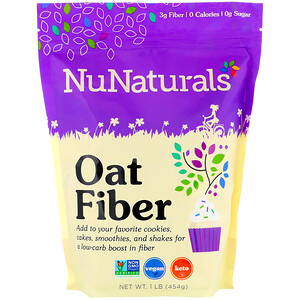
And the trick here, as I've said is NOT portion sizes, but oat fibre (I got mine from NuNaturals off iherb.sg)! 

Oat fibre comes from the fibrous husk of the oats, which is pure insoluble fibre and hence, virtually indigestible and therefore contains zero calories, carbs and nutrients. It helps to pack a load of insoluble fibre into our diet, which helps to reduce constipation (provided you're drinking enough water), promotes a full feeling for long periods of time and may even help to reduce over LDL cholesterol. 

Okay, the "health benefits" of oat fibre aside, the bigger benefit of oat fibre (for fellow ladies watching your calories), is that it is ZERO calories and helps to add bulk to your food. For example, you can get your usual 4-pancake stack into a 6-pancake stack without any additional calories just by adding oat fibre! This is literally a godsend for me right now, being unable to do any form of legit exercise for the next 2 months due to a tailbone fracture.

Anyway, let's get over with the ingredients, so we can get started.

For 1 serving (I made mine in 2 silicon cupcake moulds): 
1 tbsp plain flour (27.5 kcals)
2 tbsp oat fibre (0 kcals)
1 tbsp unsweeten cocoa powder (10 kcals, I used Hershey's)
0.5 tbsp 0 calorie sweetener of your choice (0 kcals)
1 tbsp 0 calorie maple flavour syrup (0 kcals) 
1/8 tsp baking powder (0 kcals)
half of 1/8 tsp baking soda (0 kcals)
1 tbsp low fat milk (6 kcals, I used FairPrice housebrand)
1.5 - 2 tbsp water (0 kcals)

adapted from Oat Fiber

Making this can't be any easier, just dump all the dry ingredients into a small clean bowl (you can sift your cocoa powder if they're too lumpy), give it a quick stir with a fork to get them well combined before adding in the wet ingredients (except the water) and stirring until well combined. Then, add in enough water to get the batter to a pourable, cake batter consistency.

Then, transfer the batter into a mould of your choice and STEAM it, either in your steamer if you have one or in a large pot of boiling water, covered, for about 15 to 20 minutes, until a toothpick inserted comes out clean.

The thing about oat fibre, is that it gives a very dry and crumbly, yet also wet and mushy texture to baked goods, if you've replaced too much of the flour with it. So steaming this cake is the way to get your cake coming out tender, moist and fudgy, just like a fudgy brownie. 

If you're not hard up on saving the calories, I'll strongly suggest that you pop in a tablespoon of chocolate chips as well to add in more flavour to the cake. Otherwise, this will be an extremely healthy tasting cake. But hey, it's only 44 calories and it's of a decent serving size that will fill you up. What more can you ask for, right?

Till then,
Mia Foo

Tuesday, 14 July 2020

Mia Bakes: Easy Daifuku / Mochi Wrapped Cake

-credit to A RINGO A DAY-

There's always something about a daifuku that lures you into eating it. It doesn't matter if you're not a big fan of sweets in general, doesn't really enjoy biting into the chewy texture of mochi, or perhaps already feeling quite full. 
You just cannot let this adorable ball of pillowy fluff go. It needs to get in your belly!


(I made mine really big, btw)

So let's get over with the ingredients to get started!

For the mochi:
100g glutinous rice flour
25g corn starch
40g sugar
150ml milk
10g unsalted butter
(or you can use any kind of oil you fancy)
Kinako Powder (Roasted Soy Bean Powder) or for coating, or you can roast some glutinous rice flour over the pan (to cook them) instead. 

For the filling:
any choice of your favourite sponge cake, cut into bite size
you can also add in some chopped fruits, or even crushed oreos
whipped cream or your choice of milk spread

I used Gardenia Chocolate Twiggies (I cut each log into 3, but on hindsight I should have done 4 instead) and some homemade coffee milk spread as I personally hate whipped cream. But to get pretty looking daifuku (大福), also called 雪媚娘 in Chinese, it's best to use whipped cream such that you'll get a snowy white ball. 

adapted from Amanda Tastes

First up, let's prepare the mochi dough! In a heat proof bowl, add in all the dry ingredients and milk, stir well until everything is well combined and there's no lumps at all. Then, steam the batter in the steamer (or over a pot of simmering water) for 15 to 20 minutes until the batter is fully cooked through into a dough. You can also do this step in a microwave.
While the cooked dough is still hot from the steamer, add in the butter and let it melt from the mochi dough's heat. Using a pestle or some other sturdy rod, pound the mochi dough to allow the melted butter to get incorporated into the dough, and also to allow the burning hot dough to cool down slightly. When the dough is cooled to a temperature that's manageable with your hands, knead for at least a few more minutes until the mochi gets a smoother and stretchy texture. The longer you knead the mochi dough, the better the texture will be. Do wear a pair of gloves, or oil your hands, as the mochi dough will be very sticky.
Then, pop the dough into a plastic/ziplock bag and roll it out as flat as possible. Set the mochi dough sheet in the fridge to cool off for at least an hour or two.

After an hour, the mochi dough sheet should have "toughen" up slightly and a little easier to work with, but will still be extremely sticky. Dust your work surface generously either with kinako powder or with the glutinous rice flour that you've roasted over the pan previously. Roll out the mochi dough sheet further to your desired thickness. A quarter of a centimetre should be quite alright, unless you like your mochi skin exceptionally thick, or thin. But do note that if you roll your mochi dough out too thin, it may end up tearing when you're wrapping & shaping up the daifuku.

Okay, so to wrap and form your daifuku, you can choose to challenge yourself and do it freehand, or find a small bowl or spherical mould to help make your life easier. According to the size of your cut-out sponge cake, cut out an appropriate size of the mochi dough sheet and lay it over the mould. Add in as much (or as little) of the whipped cream (or milk spread) according to your personal preference and put a piece of the sponge cake over it. If you're also adding in other toppings like chopped fruits, nuts or crushed oreos, add them in after the whipped cream before placing in the cake. Then, gather the ends of the mochi dough and pinch them together tightly to form a spherical ball. You can twist off any extra portion of the mochi dough and re-roll them out to get a brand new sheet of mochi dough, or do it like me (if you don't mind your daifuku having a ridiculously fat "butt") and tuck then excess mochi in on the bottom of the daifuku.

Then, it's best to keep the daifuku in your bowls/moulds and let them rest in the fridge for another hour or two for them to firm up and hold their round shape.

And Tadaa~

That's the "fat butt" I was talking about at the bottom of my daifuku. Haha! But it really shouldn't matter if you are a mochi lover.

Till then,
Mia Foo

Wednesday, 8 July 2020

Mia Bakes: Strained Yogurt Chocolate Cake

I didn't plan to post this recipe up, since it's pretty wholesale copied from Cook Kafemaru (on youtube) but the cake ended up tasting SO GOOD, legit like a baked chocolate cheesecake when there's no cream cheese (or cottage cheese, or ricotta cheese) in it; I had to share this recipe!

So, I also apologise for the lack of decent quality photographs of the cake. 

To get a small 10-12cm round cake, you'll need:

For the crust:
6 pieces Tiger Original Biscuit
(or you can use Digestive biscuits or any other biscuits you fancy but the amount of melted butter will vary)
10g salted butter, melted

For the cake:
~190-200g plain natural yogurt
(I used a mixture of Farm Fresh and Meiji)
100g dark, semi-sweet chocolate
(if you prefer a sweeter cake, you can use milk chocolate)
a pinch of salt
2 eggs
10g plain flour (or cake flour)
1/4 tsp baking powder

adapted from Cook Kafemaru

First, you need to strain the yogurt the night before. You can use a cheesecloth (I reckon) if you have one. Otherwise, lay some coffee filter paper or heavy duty kitchen paper towel over a sieve. Pour the yogurt into the sieve and set it over a bowl. Sprinkle a pinch of salt over the yogurt and leave it overnight in the fridge. I strained mine for about 12 hours and got a consistency that's just very slightly thicker than greek yogurt. So perhaps you can replace with just greek yogurt, if yours is the super thick kind, or just strain your greek yogurt for a shorter time.
Ultimately, you'll need just 100g of strained yogurt and 190 - 200g of natural yogurt should get you 100g of strained yogurt.

Once we get the strained yogurt out of the way, crush up your biscuits in a food processor or just by hitting them in a ziplock bag with a rolling pin. Add in the melted butter and mix until the crumbs resemble the consistency of wet sand. Then, pour the crumbs into your cake tin that's lined with baking paper and press down the crumbs into the base of the cake tin to form the crust. If you're baking the cake in a proper oven (with top and bottom heat), you can first set the compacted crust aside. However, if you're making this in an airfryer, pre-bake the crust at 180 degrees Celsius for 5 to 10 minutes.

Then melt your chocolate either over a bain marie (a heat proof bowl set over a pot of simmering water) or in the microwave. Stir up the chocolate to let it cool down for a bit, before mixing in the 100g of strained yogurt. Whisk until everything is well combined before adding in the eggs, 1 at a time, and whisking until well combined after each addition.
Then, sift in the flour and baking powder (do sift it in for easier mixing, otherwise the flour might just disappear into a corner of the batter as a huge pocket of flour) and whisk until you get a homogenous batter. Pour the batter over the crust and bake at 160 - 170 degrees Celsius for 20 to 25 minutes, depending on your oven and also how you will prefer the texture of your cake to be.
If you prefer the cake to be slightly underbaked in the centre like Japanese rare cheesecake, bake it at 160 degrees Celsius for 20 minutes and check for doneness by touching the surface of the cake. The top should be fully set and the centre (just the centre portion, not the sides!) should be softer to the touch and slightly jiggly.
If you prefer the cake to be fully baked through with the consistency of a fudgey brownie, bake at 170 degrees Celsius for 25 minutes, or until a toothpick inserted comes out relatively clean.


The cake tasted super rich and decadent, and seriously I didn't think I need the biscuit base at all. Will definitely bake this another time without the biscuit base to save up some calories. HEH!

Till then,
Mia Foo

Tuesday, 19 May 2020

Mia Bakes: Steamed Milk Rice Cake

Yup, I've been on a steamed (rice) cake craze these days because:
1. There was a crazy shortage of wheat flour recently (they're back on the shelves now, though) and I ended up picking up a pack of rice flour. 
2. My "proper" oven has officially run its course with me and the backup, 'similar-to-an-airfryer' one that we have in the house takes almost 2x the usual time to bake, even at higher temperatures. 

Plus, steamed rice cakes are also gluten-free (not that I'm on this BS "healthy" trend, but my mum does get bloated easily with wheat bread... but she still eats them anyway) and being steamed and not baked also makes them less "heaty".  
So here goes! To get around 8 steamed cupcakes, you'll need:

170g rice flour
190ml water
10g full cream milk powder
60g castor sugar
1.5 tsp baking powder

Optional: 
1 tsp dried Osmanthus flower

I intended to make this Osmanthus flavour, hence I only added a little bit of the milk powder such that the milky flavour will not overpower the Osmanthus flavour. To make rice cakes with only milk flavour, you can replace the water with milk instead. The amount of sugar is also nearly the bare minimum for you to taste an obvious sweetness in the cakes, so I'll not recommend reducing it any further, unless you don't mind a bland steamed cake. 

This recipe is super easy to make, and you'll only need a large bowl and a whisk. Dump all your ingredients in and mix until you get a smooth, watery batter. But since I'm adding Osmanthus flower, I will need to let the flowers steep in some hot water first. 
So to roughly 100ml of hot water, add in 1 tsp of Osmanthus dried flower and let it steep for 10 to 15 minutes, before adding in the remaining 180ml room temperature water. Then, all in all the dry ingredients and mix until everything is well combined. 
Divide your batter equally into your cupcake/muffin moulds that's lined with cupcake liners. 

Once your moulds are filled, steam them at high heat immediately if you wish to achieve the open-mouth, huat kueh look. If you prefer to have your steamed cake with a dome-top, steam them at a low to medium heat instead. 
Depending on your steamer and heat, steam your rice cakes for 15 to 18 minutes, or until a toothpick inserted comes out clean. 

Do make sure that your moulds are laid perfectly FLAT for them to open up nicely/symmetrically.

These steamed cakes are best eaten when still warm from the steamer, as they'll harden up considerably when cooled, and the texture will be very similar (though not nearly as hard) to a cold huat kueh. It will regain some softness if you reheat them up slightly in the steamer again, but they'll never be as soft as they were when freshly steamed. 

Till then,
Mia Foo

Saturday, 29 September 2018

Mia Bakes: Osmanthus Green Tea Yogurt Cake

 Well, my upcoming (almost) 2 weeks NZL trip is a couple of days and with a more than 3/4 tub of plain greek yogurt left sitting in the fridge, I felt the need to bake something with it. Just, anything. 


And since it just so happened that I bought a pack of dried osmanthus flower at Phoon Huat recently, and there's still a good amount of green tea powder left sitting in my baking cabinet, how about putting all these together into a cake?

So to get 1 loaf cake of 8 to 10 slices, you'll need:

50g superfine wholemeal flour
145g all purpose flour 
2 tsp green tea powder
40ml green tea flavoured milk 
1 tbsp dried osmanthus flower
1 large egg
60g castor sugar 
70ml vegetable oil
100g plain greek yogurt
1/4 tsp baking soda
1/2 tbsp baking powder
1 tbsp chia seeds (optional)

Note: I personally felt that the green tea taste could have been a lot stronger, so I would probably try with at least 1 tbsp of green tea powder next time. Sweetness level of this cake is also greatly reduced, so you may increase the amount of sugar according to your preference. 
You may also use 195g of all purpose flour instead of using a mixture of superfine wholemeal and all purpose flours.

First up, heat up your milk in a pot over the hob until it starts to simmer and add in the osmanthus flower. Give it a light stir, take it off the heat and set it aside for the osmanthus flower to steep, and also for the mixture to cool down. 
In a clean bowl, add in your greek yogurt, egg, oil and cooled osmanthus milk mixture and stir well to combine. Sift in your dry ingredients and fold with a spatula until just combined. Tip in the chia seeds (if you fancy them) and give it a quick fold with the spatula to combine. 

Pour your batter into a small loaf pan (mine roughly measures 18cm by 5.5cm) greased with non-stick cooking spray and bake it at a 175 degree Celsius oven for about 25 minutes, or until a toothpick inserted comes out clean. 


Let it cool down for about 5 minutes in the loaf pan (until it's cool enough for you to handle) before tipping the cake out onto a wire rack and leave it to cool completely. 


And there you have it, osmanthus green tea yogurt cake! The addition of yogurt makes the cake extremely moist and tender. And although the addition of dried osmanthus flower did not really give the cake a very distinctive osmanthus taste, it did give the cake a very nice and sweet osmanthus aroma. 

Till then,
Mia Foo


Saturday, 24 March 2018

Mia Bakes: Oreo Chocolate Stuffed Whipped Cream Mini Chocolate Cake

Haha, I know that sounds like a mouthful. But this idea came about because of the leftover whipping cream sitting in my fridge after baking off some biscoff baked cheesecakes and I didn't want to bake anymore egg tarts, so a quick search on google taught me that whipping cream may be substituted for butter as the fat component in cakes, so here goes!


For 6 servings, you'll need:

40g all purpose flour
10g unsweeten cocoa powder 
(I used black, but you can use the usual)
120ml heavy (whipping) cream (cold)
1 egg
40g baking stevia
(twice the amount if using castor sugar)
1/4 tsp salt
3/4 tsp baking powder
1/4 tsp butter oil flavouring (optional)
1/4 tsp vanilla extract 
(using 1/2 tsp if not using butter oil)
(or any other chocolate/filling of your choice)

adapted from marthastewart.com

First up, in a clean bowl, whip up your cold whipping cream until stiff peaks form and set aside. In another bowl, whisk together the egg, extract(s) and sugar until the mixture turns pale yellow and thicken. Then, add the egg mixture to the whipped cream in 2 to 3 additions, folding lightly with a spatula to combine. 
I know the instructions on marthastewart is to continue beating in the mixer until it thickens into consistency of mayonnaise and add the sugar last, but I find that there's a high chance of overbeating the mixture and causing the whipped cream to separate and you'll end up with butter curds. 
After the wet mixture is folded until well combined, sift in all the dry ingredients and fold with a spatula until just combined. 

Prepare your 6-well standard muffin tin by spraying them with some non-stick cooking spray, or you may line them with cupcake liners if you wish. Spoon 1 tbsp of the batter into each well and drop a cube of oreo milk chocolate into the centre of each well before covering it up with the rest of the batter. Each well should be about slightly more than 2/3 filled. 

Send your cakes to bake in the oven pre-heated to 175 degree Celsius for about 18 to 20 minutes, or until a toothpick inserted (towards the sides if not you may pierce the melted chocolate centre instead) comes out clean.


Unlike a standard cake using creamed butter, I find these turn up way soften and finer in texture, however, lacking in the usual buttery fragrance (like DUH, there's NO BUTTER!) Perhaps using better quality flavouring essence (and more of them) can be considered, if you prefer your cakes with more flavours. However, having the stuffed chocolate centre totally made up for the lack of strong flavour in the cake itself. 

Till then,
Mia Foo